


Look at Military Medals in the Soviet Patriotic War!

Ethan Carter
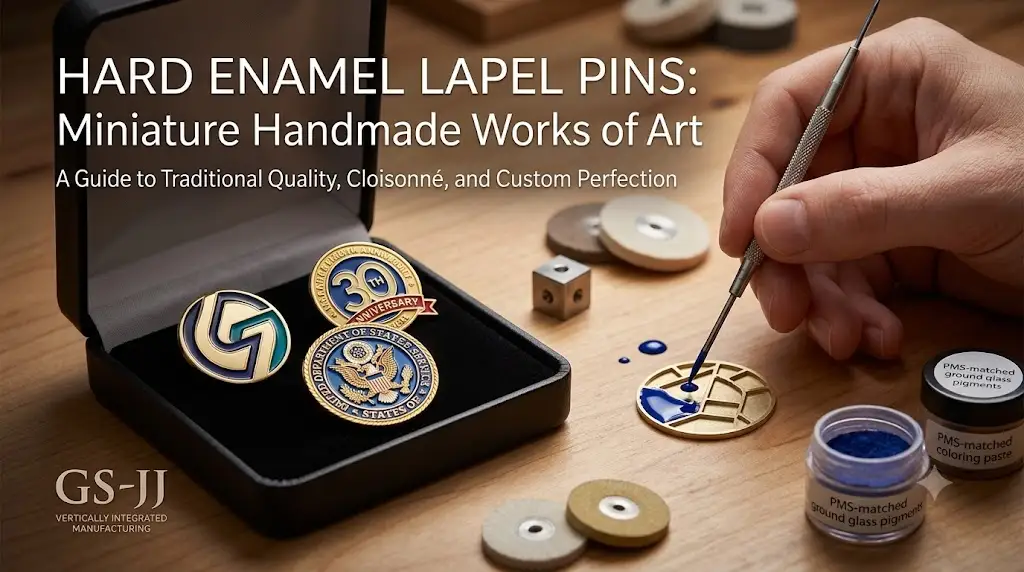
There are more than 10 military medals of the Soviet Patriotic War, which can be divided into classic ones, customized ones, vintage ones, high-end ones, and more. They are designed and made by professional and experienced military medals maker.
1) Classic Military Medals – Order of the Patriotic War
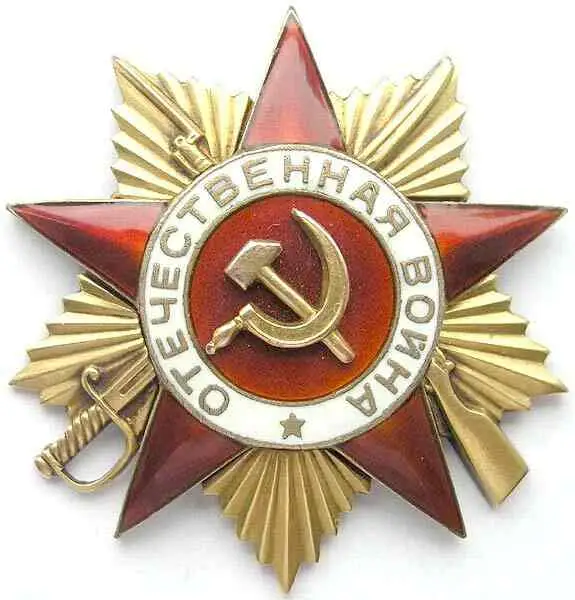
The fashion industry has a saying – “entry-level and classic style”, while the Soviet union’s war of defense medals also has a classic style – Order of the Patriotic War. Order of the Patriotic War was the first medal established by the Soviet Union during the Patriotic War. It could be awarded to senior officers or ordinary soldiers. The middle part of the first order is made of gold and the rest is silver, and the second-order is all silver. But whether the first or second order, the most center, sickle, and ax relief, is solid gold.
Who can get the medal? There are some requirements in the government. For example, destroying one medium (heavy) tank or two light tanks in combat will be awarded an Order of the Patriotic War 2nd class medal; If you destroy 2 medium tanks or 3 light tanks, you will receive 1st class medal. By 1985, more than 2 million 1st medals and more than 5 million 2nd medals had been awarded in the Patriotic War. It is the most decorated medal in world history. Before 1977, all medals are handed in after awarded people died, except Order of the Patriotic War, which can be reserved as a family heirloom.
2) Customized Military Medals – Major Battle Medals Major Battle Medals
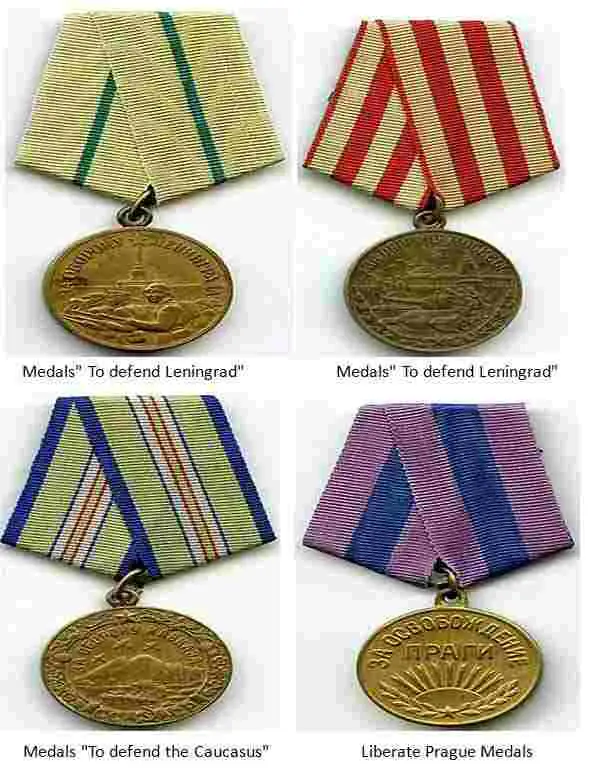
During the Patriotic War, there are many medals set according to major battles. For instance, Medals – “To defend Leningrad”,” to defend Moscow “, “to defend the Caucasus”, “to liberate Prague”, “to conquer Berlin” and so on. The “guard” and “liberation” military medals, which are 32 millimeters in diameter, are made entirely of brass and are awarded in thousands or millions of medals. Like medals to defend Leningrad, there are not only soldiers in the battle but also civilians who take care of the wounded or participate in the construction of urban fortifications. This medals are up to 1,470,000, including 15,000 children. In all, only you can do something for Leningrad, you would get one.
3) Vintage Military Medals – Historical Hero Medals
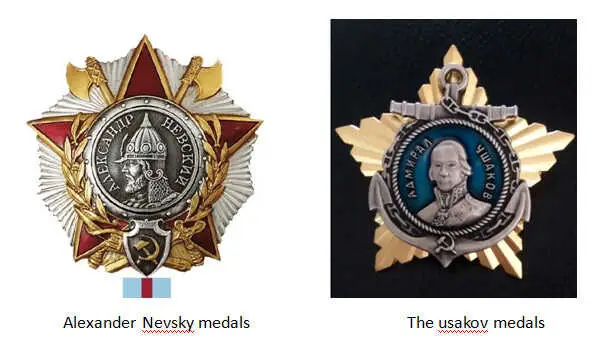
Historical Hero Medals
There are some red political features, such as the order of Lenin, the red star medals, the red flag medals, and some vintage stylish medals from the old days. In the extreme circumstances of the war, in order to win, the Soviet government completely abandoned ideological “prejudice” — no matter the white cat or the black cat, the good cat can catch mice. Most vintage medals are named after the historical hero or combat family such as The Alexander Nevsky medals, the Kutuzov Medals, and so on.
4) High- end Military Medals – Order of Victory Order of Victory
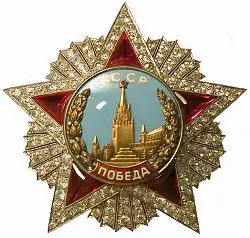
The high end of the Soviet patriotic war medal is Order of Victory. The medal was awarded only to the commander of the Soviet army who finished the battle successfully and fundamentally changed the course of the campaign. The order of victory was awarded to only 17 people worldwide. The medal weighs about 78 grams in total, including 47 grams of white gold, 2 grams of gold, 19 grams of silver, 25 carats of ruby, and 16 carats of diamond.
5) Universal Military Medals – Various Commemorative Medals
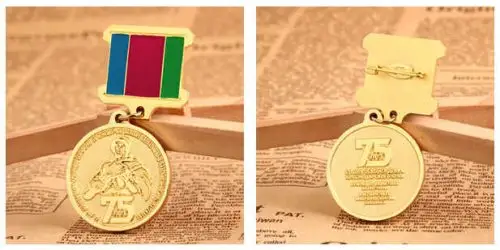
Gold Military Medals ( made by GS-JJ )
Except for those medals, there are some commemorative medals, which award to those people who provide operational support. The largest is the victory medals for Germany and Japan in May and September 1945.
Therefore, when you see Russian veterans with medals on their chests on the streets of Moscow, they may be just a regular soldier in the war. In this country, those who have contributed to ending the war are rewarded and remembered.
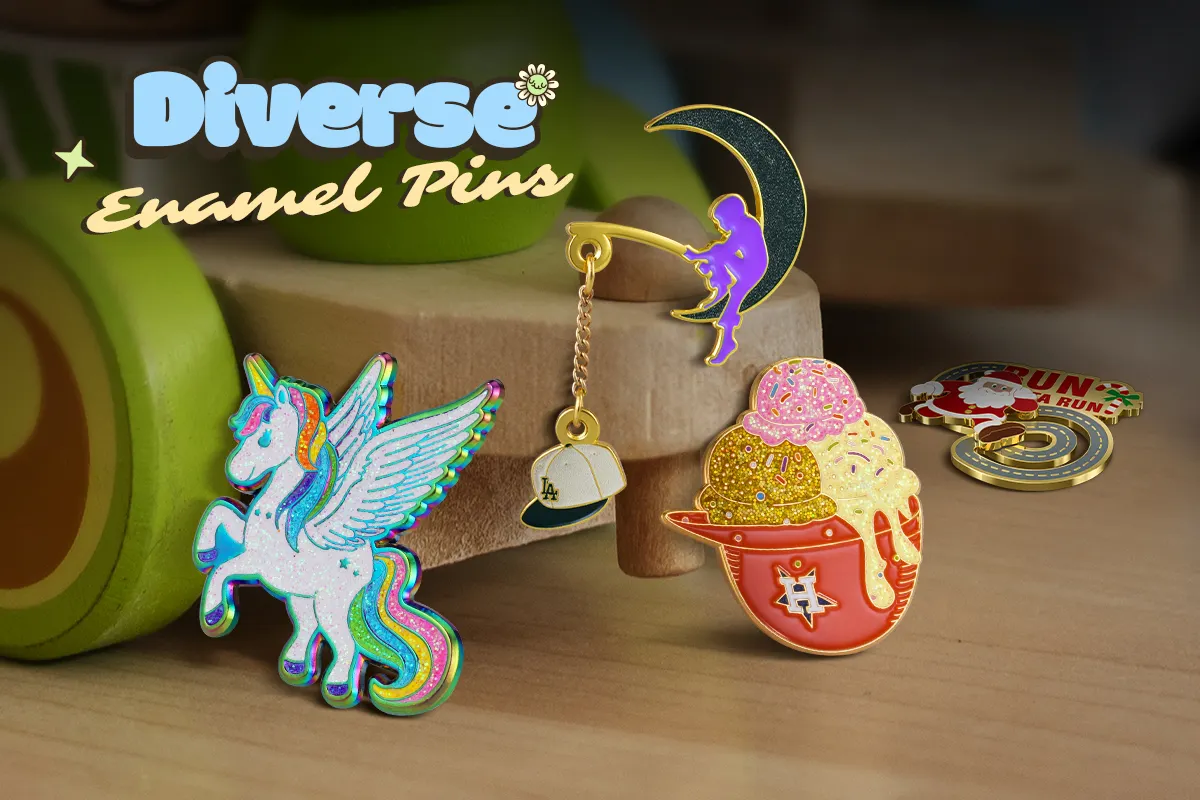
Custom Pins Guide: How to Make Enamel Pins Online?
What are Enamel Pins? An enamel pin is a type of pin made by carving grooves into the metal surface and then filling it with different colored enamel pigments. Finally, it is baked at high temperatures to create a brightly colored, wear-resistant, and fade-resistant surface.
Enamel pins are divided into two types: soft enamel and hard enamel. The most fundamental difference between the two types of pins is the surface of the pin. The surface of soft enamel is uneven and has a sense of lines, while the surface of hard enamel is the opposite and has a flat surface.